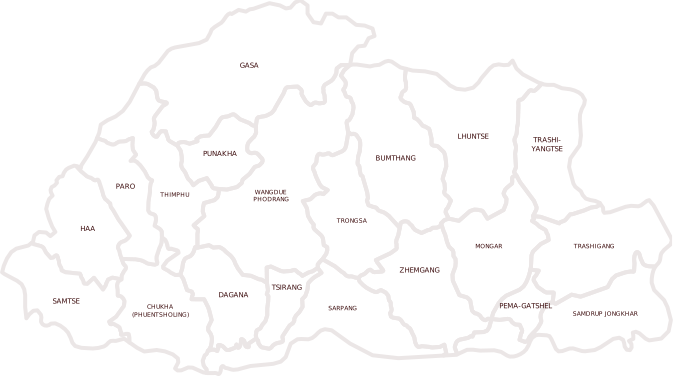


A trip to Bhutan without visiting Thimphu is incomplete. The capital of Bhutan is known for its lively atmosphere, aesthetic nature and comparative modernity. Thimphu is unlike other Dzongkhags, with rapid development in entertainment, as the capital it is the hub of economic activities and businesses.
Things to do in Thimphu
Takin Zoo: Catch a glimpse of the national animal of Bhutan the Takin
Buddha Point: Visit the famous Buddha Dordenma Statue, standing at 169 feet, gilded with gold. A grand statue.
The National Library and Archives of Bhutan houses a wide collection of priceless texts, its purpose is the preservation and promotion of the rich cultural and religious heritage of Bhutan
Botanical Garden: A lovely 32 acre spot where families and tourists enjoy picnics, garden parties and is host to the annual Rhododendron festival 13-14th April 2024.

Every tourist apart from the tourists from neighbouring countries have been to this valley. The International Airport of Bhutan is located in Paro, it is the perfect place to disembark from the plane and embark on your adventure of Bhutan. Paro is rich with Bhutanese culture and scenic beauty.
In Paro:
Paro Town is known for its creativity in regards to shopping for jewellery, textiles, handicrafts, paintings and a lot more.
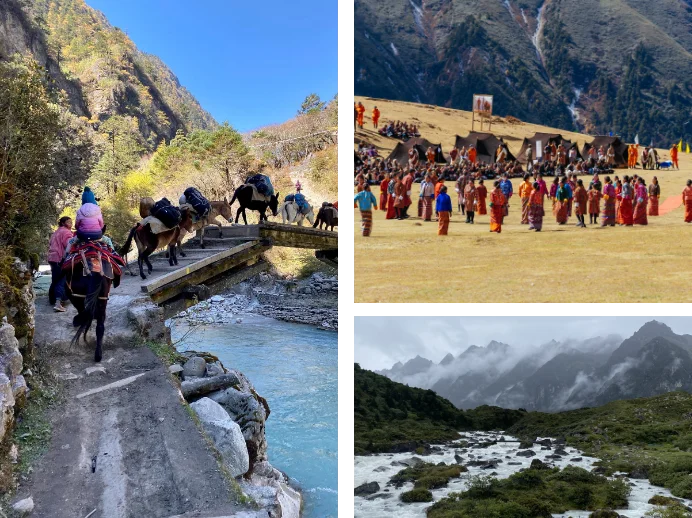
Chelela Pass between Haa and Paro is a breathtaking trail perfect for adventure enthusiasts, immersing yourself in panoramic views of lush valleys and snow capped - peaks. With a chance to come across the national flower of Bhutan the Blue Poppy.

Paro Taktsang
The world famous Paro Taktsang, a testament to Bhutan's rich spiritual heritage. It has been described as enchanting, mythical, beautiful and above all holy. The short trek in the upper Paro valley is the most famous pathway for tourists and locals alike
Paro TaDzong
A treasure trove of Bhutan’s fascinating history with hundreds of ancient relics and arts. Although built in 1649 with just stone and wood without the aid of nails, This Dzong has tested the tides of time and survived, Paro Ta Dzong today stands tall as the National Museum of Bhutan.

The largest district located in central Bhutan that is dotted with green meadows and home to many rare and exotic animals such as Tigers, Leopards, Red Pandas and the endangered bird of Black Necked Crane.
Wangdue Phodrang is also a place that acts as gateway to the beautiful Phobjikha Valley, the valley is best known for the Gangtey Goenpa which is a winter home for the rare Black Necked Cranes
Khuru- Darts

A must visit destination within Bhutan, Punakha provides an abundance of family bonding activities to partake in, which include river rafting which encourages teamwork and team building.
In Punakha:
Cross the Punakha Suspension Bridge for an exhilarating adventure to Punakha Dzong
Bird Watching at Jigme Dorji National Park
Hike to the Khamsum Yulley Namgyal Chorten
Walk across paddy fields in the valleys, at the top of the hill you come across a fascinating temple called Chimi Lhakhang


Serenity upon pristine lakes and high alpine valleys, every step of the journey more captivating and enchanting. The land is one of the least visited Dzongkhags hence it retains the air of primaeval forests which spans across 78% of land.
Visit sacred temples of Karpo Lhakhang and Lhakhang Nagpo through vibrant forests and majestic scenes of snow capped mountains reaching for the heavens.
Haa Summer Festival is a lively celebration of traditional living culture, traditional sports and religious performances. Participate in local sports such as Archery, Soksum - Javelin, Horse or Yak riding,


Chukha is a district where the famous Phuentsholing town is located, it’s a Bhutanese border town with Jaigon, India, when in Phuentsholing you have the ability to be at two places at once, the Bhutan gate entrance is a border gate and facilitate most trade with India from there.
Popular places in Phuentsholing
Amochu Crocodile Breeding Center.
Torsa Riverside


Bumthang is a Haven of peace and rich religious heritage. Bumthang offers opportunities of inner peace through meditation and retreat at the Wangdicholing Palace
Things to do in Bumthang
Visit Mebar Tsho - The Burning Lake
Tour of the dragon: Bumthang - Thimphu One day race spanning 264km, you will journey through 4 high mountain passes each over 11,000 feet in altitude, a cultural experience rather than a race with breathtaking scenery, fresh air, interaction with nature and locals.

Samtse is one of the most rural areas of Bhutan, large influx of southern Bhutanese, the way of life and culture is different in Samtse than in other parts of the country.
See how the indigenous group of Lotsampas and Doyas live
Sightseeing in Samtse, visiting Daina Suspension Bridge, and Sidhok Khorlo

Dagana located below Thimphu and Wangdue. One of the most interesting things about Dagana is the three stone Megaliths known as Do Namkhai Kaw - Sky Pillar Rock, Do Kelpai Genthey - The Rock of Ancient Steps and Tha Namkhai Dzong - The Frontier Sky Fortress


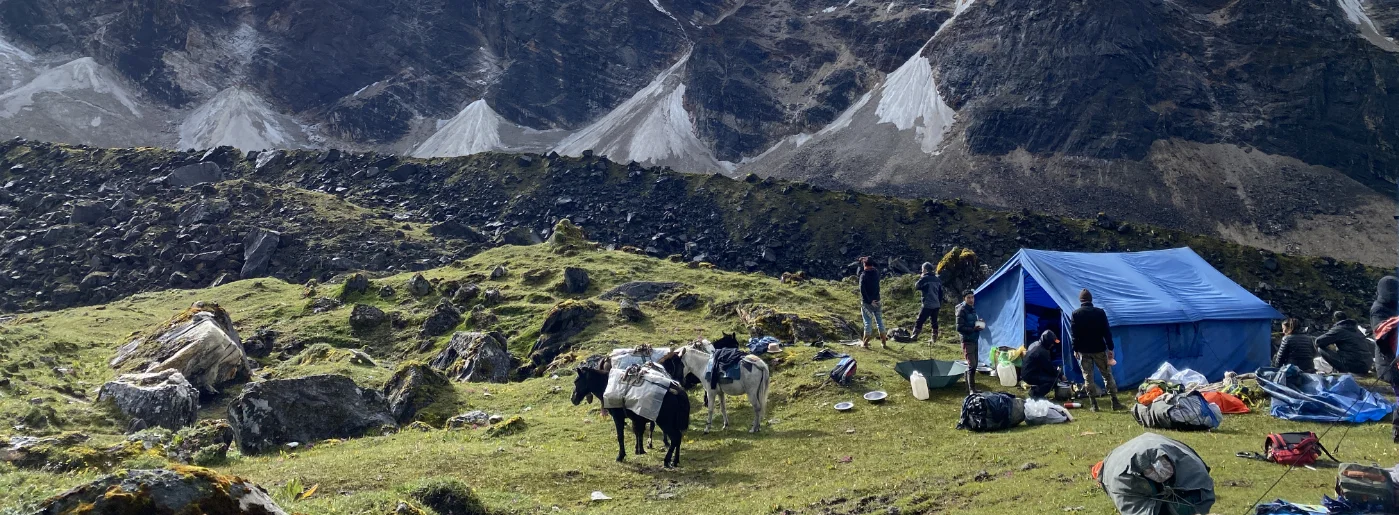
Natural splendour is like none other in the country. Located in the extreme northwest of Bhutan, extending to areas of the Tibetan Himalayas, the entire Dzongkhag falls under the Jigme Dorji National Park and is the habitat for different species of birds and animals like the Takin, Blue Sheep, Raven(National Bird), Tigers, and many more. This Dzongkhag experiences extremely harsh winters and short and beautiful summers.

Tsirang is the smallest district in Bhutan noted for its gentle slopes, mild climate and rich biodiversity. The Hindu, Buddhist culture and tradition coexist in Tsirang. This can be understood by the way of life of the locals and also through a visit to the heart of Damphu Town where the grand Buddhist-Hindu Temple is located.
Other breathtaking sites in Tsirang: Monlem Gangtap Chorten.
Lung Si Gang
Rigsum Pemai Dumra

Located in the south central part of Bhutan. A natural paradise, the valley is reminiscent of stereotypical countryside seen in movies and simplicity. Sarpang also is the gateway to the oldest nature and wildlife protection sanctuary of Bhutan, The Royal Manas National Park.
Visit Gelephu Town which borders the Indian Town Assam and is under rapid development as the next commercial hub of the country in terms of plans for the near future in regards to urbanisation and Foreign Direct Investment.
Gelephu Tshachu, A popular hot spring in Bhutan, it's said to have benefits for anti ageing, skincare and health.

Trongsa can be translated to “new village”. This is due to the cluster of newly built meditation quarters appearing to the people like a new village. Trongsa is a serene and private place with 87% of Trongsa under forest cover.
In Trongsa:
Visit Ancient Watch Tower of Trongsa
Jigme Singye Wangchuck National Park


Zhemgang is a rural area, they are one of the last people of the country to carry the Bon Animist religious practices. Bon includes 3 realms, the heavens, the earth, and the underworld. Zhemgang is truly heaven on Earth.
Things to do in Zhemgang:
The Royal Manas Park known for its rich flora and fauna, experience the Elephant Safari and Jeep Safari at Manas


Popularly known as the Kurtoe Valley. The captivation of Lhuentse lies in the fact that it acts as a biological corridor for three of Bhutan's greatest parks, the Wangchuck Centennial Park in the north, Bumdeling Wildlife Sanctuary in the east and Thrumshingla National Park in the south are all connected.
Takila Guru Statue, the 157 feet Guru statue is located on a hill in Takila seated on a lotus overlooking the Tangmachu valley.

Mongar is the eastern commercial centre of the country and it is prosperous in regards to industrial development in the less developed part of the country. Like many other towns in the east Mongar town is also located on top of a hill, which is peculiar because in other parts of the country, the towns are built on the valleys.
Things to do in Mongar
Pilgrimage at Aja Nye and the Hungja Nye
Visit Mongar Dzong and Drametse Monastery

Pema-gatshel means blissful land of the lotus, located in the south eastern part of Bhutan Pema-gatshel is famous for its artisans and weavers and many of the materials made there are popular throughout Bhutan and with tourists.
In Pema-gatshel spiritual and religious blessings are sought from 122 Lhakhangs(temples) including Yongla Goenpa, Kheri Goenpa, Dungkar Lhakhang all which possess historical importance to the country.

Dzongkhag is located in the eastern part of Bhutan. Have the opportunity to learn Zorig Chusum 13 Traditional Arts and Crafts which include painting, carpentry, carving, sculpture, casting, blacksmith, bamboo & cane craft, gold & silversmithing, weaving, embroidery, masonry, leather works and paper making at Rigney School, a major art school.
Chorten Kora in Trashiyangtse is a popular sacred place, the scenic beauty and spiritual tranquillity can leave you in awe and instant peace.

Lying in the eastern extreme of the country, this district is well known for trade in Bhutan and it is one of the greatest places to visit if you want to immerse yourself in ancient indigenous traditions and beauty of nature.

This Dzongkhag is home to Sakteng Wildlife Sanctuary and the biggest festival of eastern Bhutan, the annual Trashigang Tshechu.


Located in the south eastern extreme of the country bordering with India's Assam Samdrup Jongkhar is an essential economic zone of Bhutan not only because it facilitates trade but the primary source of livelihood here is coal mining. The town of Samdrup Jongkhar is the oldest town in Bhutan.
A trip to Bhutan without visiting Thimphu is incomplete. The capital of Bhutan is known for its lively atmosphere, aesthetic nature and comparative modernity. Thimphu is unlike other Dzongkhags, with rapid development in entertainment, as the capital it is the hub of economic activities and businesses.
Things to do in Thimphu
Takin Zoo: Catch a glimpse of the national animal of Bhutan the Takin
Buddha Point: Visit the famous Buddha Dordenma Statue, standing at 169 feet, gilded with gold. A grand statue.
The National Library and Archives of Bhutan houses a wide collection of priceless texts, its purpose is the preservation and promotion of the rich cultural and religious heritage of Bhutan
Botanical Garden: A lovely 32 acre spot where families and tourists enjoy picnics, garden parties and is host to the annual Rhododendron festival 13-14th April 2024.
Every tourist apart from the tourists from neighbouring countries have been to this valley. The International Airport of Bhutan is located in Paro, it is the perfect place to disembark from the plane and embark on your adventure of Bhutan. Paro is rich with Bhutanese culture and scenic beauty.
In Paro:
Paro Town is known for its creativity in regards to shopping for jewellery, textiles, handicrafts, paintings and a lot more.
Chelela Pass between Haa and Paro is a breathtaking trail perfect for adventure enthusiasts, immersing yourself in panoramic views of lush valleys and snow capped – peaks. With a chance to come across the national flower of Bhutan the Blue Poppy.
Paro Taktsang
The world famous Paro Taktsang, a testament to Bhutan’s rich spiritual heritage. It has been described as enchanting, mythical, beautiful and above all holy. The short trek in the upper Paro valley is the most famous pathway for tourists and locals alike
Paro TaDzong
A treasure trove of Bhutan’s fascinating history with hundreds of ancient relics and arts. Although built in 1649 with just stone and wood without the aid of nails, This Dzong has tested the tides of time and survived, Paro Ta Dzong today stands tall as the National Museum of Bhutan.
The largest district located in central Bhutan that is dotted with green meadows and home to many rare and exotic animals such as Tigers, Leopards, Red Pandas and the endangered bird of Black Necked Crane.
Wangdue Phodrang is also a place that acts as gateway to the beautiful Phobjikha Valley, the valley is best known for the Gangtey Goenpa which is a winter home for the rare Black Necked Cranes
Khuru- Darts
A must visit destination within Bhutan, Punakha provides an abundance of family bonding activities to partake in, which include river rafting which encourages teamwork and team building.
In Punakha:
Cross the Punakha Suspension Bridge for an exhilarating adventure to Punakha Dzong
Bird Watching at Jigme Dorji National Park
Hike to the Khamsum Yulley Namgyal Chorten
Walk across paddy fields in the valleys, at the top of the hill you come across a fascinating temple called Chimi Lhakhang
Serenity upon pristine lakes and high alpine valleys, every step of the journey more captivating and enchanting. The land is one of the least visited Dzongkhags hence it retains the air of primaeval forests which spans across 78% of land.
Visit sacred temples of Karpo Lhakhang and Lhakhang Nagpo through vibrant forests and majestic scenes of snow capped mountains reaching for the heavens.
Haa Summer Festival is a lively celebration of traditional living culture, traditional sports and religious performances. Participate in local sports such as Archery, Soksum – Javelin, Horse or Yak riding,
Chukha is a district where the famous Phuentsholing town is located, it’s a Bhutanese border town with Jaigon, India, when in Phuentsholing you have the ability to be at two places at once, the Bhutan gate entrance is a border gate and facilitate most trade with India from there.
Popular places in Phuentsholing
Amochu Crocodile Breeding Center.
Torsa Riverside
Bumthang is a Haven of peace and rich religious heritage. Bumthang offers opportunities of inner peace through meditation and retreat at the Wangdicholing Palace
Things to do in Bumthang
Visit Mebar Tsho – The Burning Lake
Tour of the dragon: Bumthang – Thimphu One day race spanning 264km, you will journey through 4 high mountain passes each over 11,000 feet in altitude, a cultural experience rather than a race with breathtaking scenery, fresh air, interaction with nature and locals.
Samtse is one of the most rural areas of Bhutan, large influx of southern Bhutanese, the way of life and culture is different in Samtse than in other parts of the country.
See how the indigenous group of Lotsampas and Doyas live
Sightseeing in Samtse, visiting Daina Suspension Bridge, and Sidhok Khorlo
Dagana located below Thimphu and Wangdue. One of the most interesting things about Dagana is the three stone Megaliths known as Do Namkhai Kaw – Sky Pillar Rock, Do Kelpai Genthey – The Rock of Ancient Steps and Tha Namkhai Dzong – The Frontier Sky Fortress
Natural splendour is like none other in the country. Located in the extreme northwest of Bhutan, extending to areas of the Tibetan Himalayas, the entire Dzongkhag falls under the Jigme Dorji National Park and is the habitat for different species of birds and animals like the Takin, Blue Sheep, Raven(National Bird), Tigers, and many more. This Dzongkhag experiences extremely harsh winters and short and beautiful summers.
Tsirang is the smallest district in Bhutan noted for its gentle slopes, mild climate and rich biodiversity. The Hindu, Buddhist culture and tradition coexist in Tsirang. This can be understood by the way of life of the locals and also through a visit to the heart of Damphu Town where the grand Buddhist-Hindu Temple is located.
Other breathtaking sites in Tsirang: Monlem Gangtap Chorten.
Lung Si Gang
Rigsum Pemai Dumra
Located in the south central part of Bhutan. A natural paradise, the valley is reminiscent of stereotypical countryside seen in movies and simplicity. Sarpang also is the gateway to the oldest nature and wildlife protection sanctuary of Bhutan, The Royal Manas National Park.
Visit Gelephu Town which borders the Indian Town Assam and is under rapid development as the next commercial hub of the country in terms of plans for the near future in regards to urbanisation and Foreign Direct Investment.
Gelephu Tshachu, A popular hot spring in Bhutan, it’s said to have benefits for anti ageing, skincare and health.
Trongsa can be translated to “new village”. This is due to the cluster of newly built meditation quarters appearing to the people like a new village. Trongsa is a serene and private place with 87% of Trongsa under forest cover.
In Trongsa:
Visit Ancient Watch Tower of Trongsa
Jigme Singye Wangchuck National Park
Zhemgang is a rural area, they are one of the last people of the country to carry the Bon Animist religious practices. Bon includes 3 realms, the heavens, the earth, and the underworld. Zhemgang is truly heaven on Earth.
Things to do in Zhemgang:
The Royal Manas Park known for its rich flora and fauna, experience the Elephant Safari and Jeep Safari at Manas
Popularly known as the Kurtoe Valley. The captivation of Lhuentse lies in the fact that it acts as a biological corridor for three of Bhutan’s greatest parks, the Wangchuck Centennial Park in the north, Bumdeling Wildlife Sanctuary in the east and Thrumshingla National Park in the south are all connected.
Takila Guru Statue, the 157 feet Guru statue is located on a hill in Takila seated on a lotus overlooking the Tangmachu valley.
Mongar is the eastern commercial centre of the country and it is prosperous in regards to industrial development in the less developed part of the country. Like many other towns in the east Mongar town is also located on top of a hill, which is peculiar because in other parts of the country, the towns are built on the valleys.
Things to do in Mongar
Pilgrimage at Aja Nye and the Hungja Nye
Visit Mongar Dzong and Drametse Monastery
Pema-gatshel means blissful land of the lotus, located in the south eastern part of Bhutan Pema-gatshel is famous for its artisans and weavers and many of the materials made there are popular throughout Bhutan and with tourists.
In Pema-gatshel spiritual and religious blessings are sought from 122 Lhakhangs(temples) including Yongla Goenpa, Kheri Goenpa, Dungkar Lhakhang all which possess historical importance to the country.
Dzongkhag is located in the eastern part of Bhutan. Have the opportunity to learn Zorig Chusum 13 Traditional Arts and Crafts which include painting, carpentry, carving, sculpture, casting, blacksmith, bamboo & cane craft, gold & silversmithing, weaving, embroidery, masonry, leather works and paper making at Rigney School, a major art school.
Chorten Kora in Trashiyangtse is a popular sacred place, the scenic beauty and spiritual tranquillity can leave you in awe and instant peace.
Lying in the eastern extreme of the country, this district is well known for trade in Bhutan and it is one of the greatest places to visit if you want to immerse yourself in ancient indigenous traditions and beauty of nature.
This Dzongkhag is home to Sakteng Wildlife Sanctuary and the biggest festival of eastern Bhutan, the annual Trashigang Tshechu.
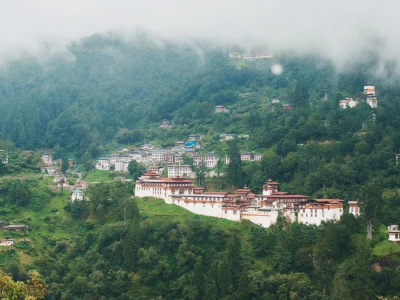
Largest fortress in Bhutan. The central coverage of Trongsa and the scenic landscape make it the perfect location to handle all administrative and religious task of Trongsa Dzongkhag.
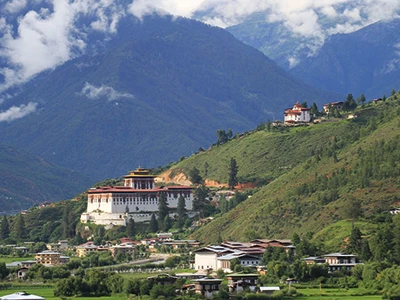
Located on the banks of Paro Chhu river. One of the best scenes the country has to offer. This Dzong is extremely popular due to the annual celebration of Paro Tshechu.
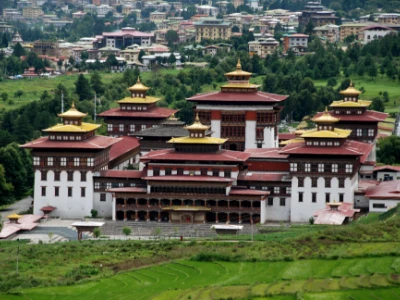
Located in the capital city of Thimphu, along the banks of river Wangchhu. The fortress has been renovated multiple times apart from being home to religious and administrative activities of the Dzongkhag and country, Tashichho Dzong used to be home to the royal family of Bhutan.
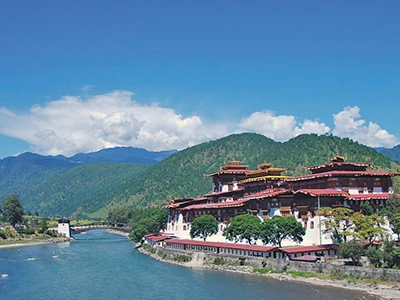
The Dzong itself is magnificent in architecture, history and art. Located on the confluence of Mo Chhu and Po Chhu. This Fortress holds significant importance, the picturesque valley was once the official administrative centre of the government of the country.
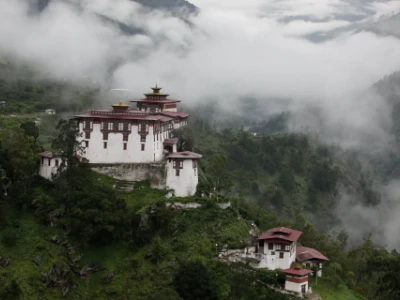
The fortress is perched on a mountain ridge giving it a beautiful view of the whole valley and sceneries located in the KuriChhu valley where there are an abundance or birds and animals in Lhuntse.
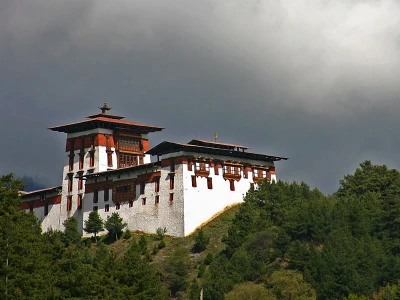
Jakar Dzong is strategically located in the centre of the country Bumthang. The valley is known for its high mountain passes, the strategic location of this fortress has a significant role in both religious and defensive purposes.
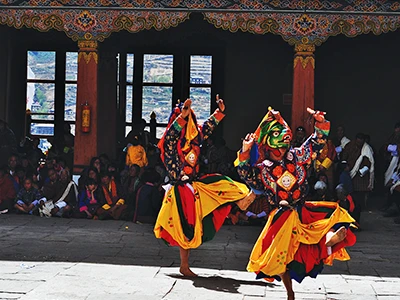
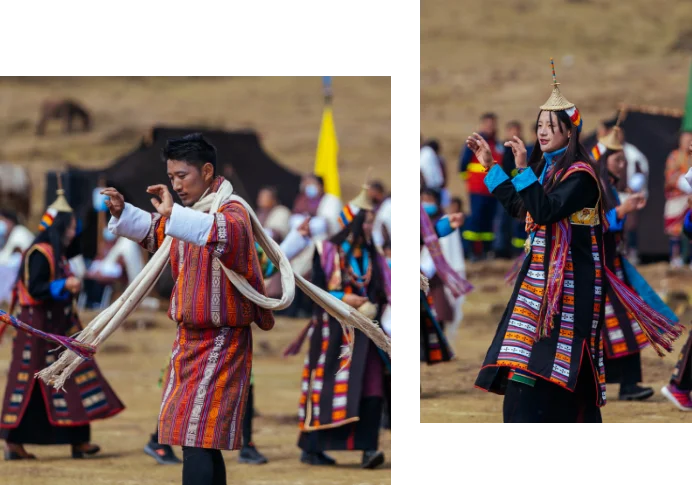
One of the most popular festivals in Bhutan, an experience of a lifetime during spring, showcases dances performed by trained monks in amazing masks and costumes. Atsaras are often seen during Tshechu, it is one of the best ways to experience ancient living culture in Bhutan.
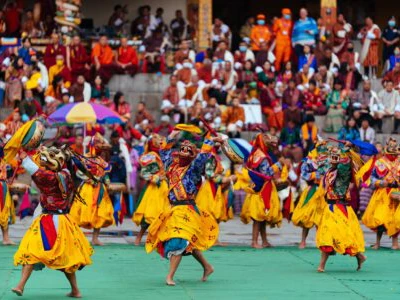
also known as the National Festival of Bhutan. This festival is held in the capital city of Bhutan. The annual Thimphu Tshechu is a social gathering and religious festival where people gather from all parts of Bhutan for this 3 day festival and rejoice dressed in finery. By attending it, it is believed one gains merits.
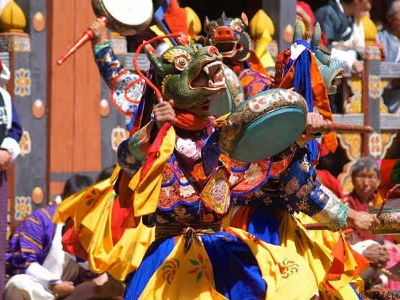
Unlike other Tshechu where the festival is performed only during the day. The Ter Cham - The Fire Ritual performed during the Jambay Lhakhang Drup is popularly known for the naked dance performed at midnight. Tourists and local people alike gather to witness the ritual.
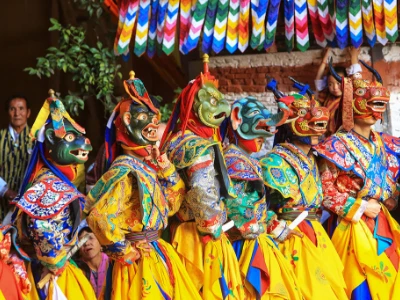
Tourists can get a close look of the culture and traditions of Bhutan. During the three day festival a series of exciting mask dances, folk songs sung by women, and picturesque scenes.
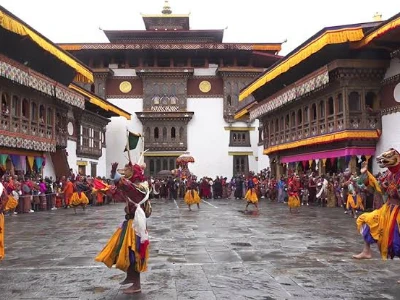
Wangdue Tshechu is best known for the Raksha Mang Cham - Dance of the Ox. Witness the district’s biggest cultural festival where thousands of people gather in their best traditional outfits.
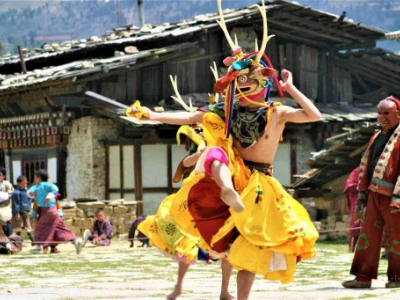
In a small village located in Bumthang, a grand festival of spiritual and social celebrations for the people of Ura takes place. Witness the transmission of cultural ideas, values, knowledge, skills and stories from one generation to the other.
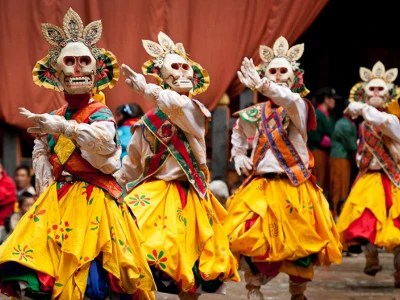
Takes place in Nimalung Lhakhang, located in Chumey Bumthang. The vibrant 3 day festival with a grand finale on the 3rd day worthy of being known as colourful pageantry, the Nimalung monks perform Guru Tshengye Cham - Dance of Guru and Drametse Nga Cham - Mask Dance of the Drums.